

THE CHURCH IS HIDING BILLIONS OF $$
to avoid paying the thousands of victims of horrific clergy sexual abuse. It is time for the church to pay.
READ ABOUT IT HEREto avoid paying the thousands of victims of horrific clergy sexual abuse. It is time for the church to pay.
READ ABOUT IT HERE
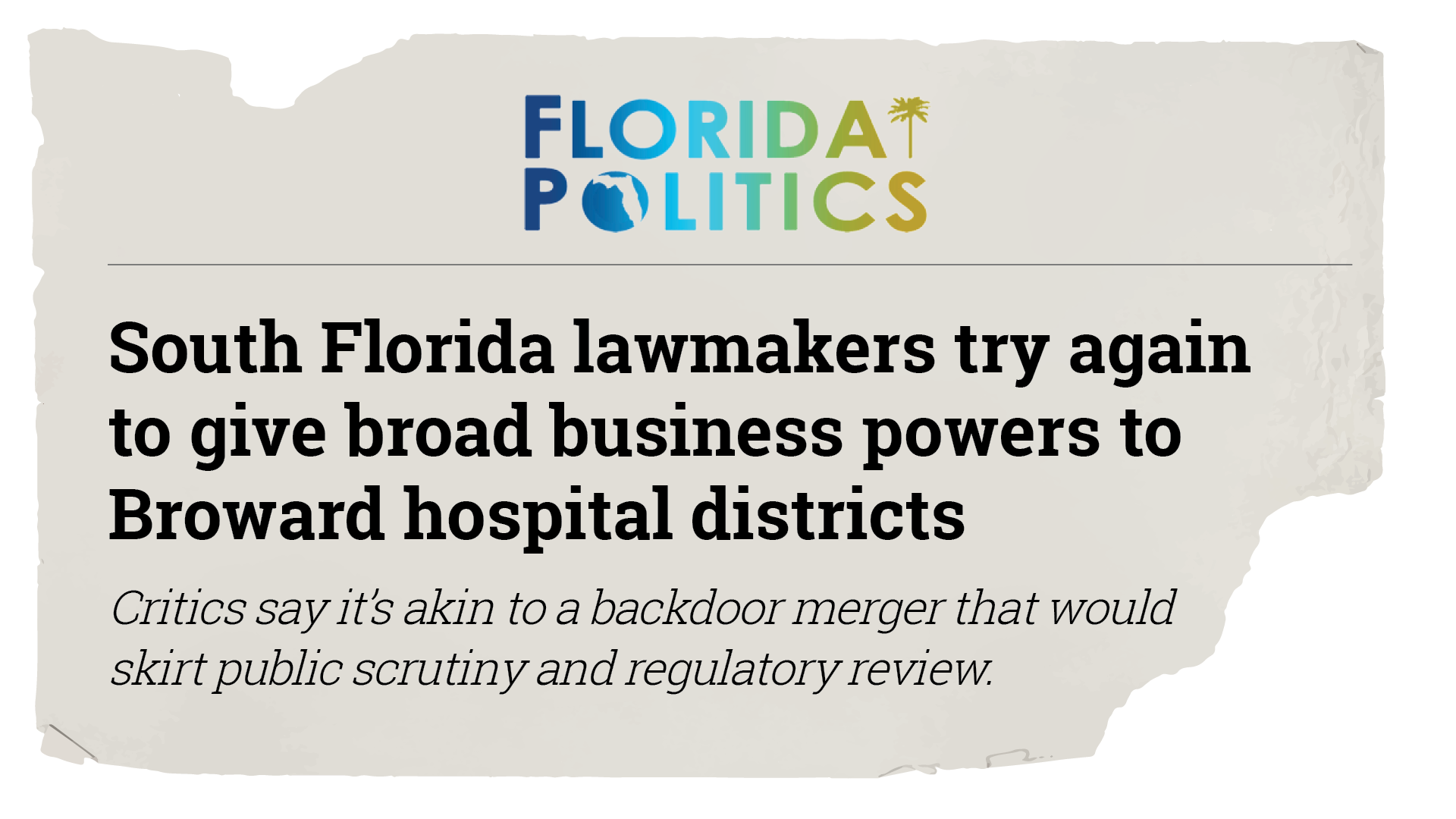
House Bill 1047 would let taxpayer-funded hospital districts merge operations and even run for-profit businesses together—without the usual oversight meant to prevent monopolies.
The bill allows two or more public hospital districts to enter almost any kind of partnership, public or private, even if current laws would normally prohibit it. It also gives these arrangements special legal protection, making it very difficult to challenge them under antitrust laws.
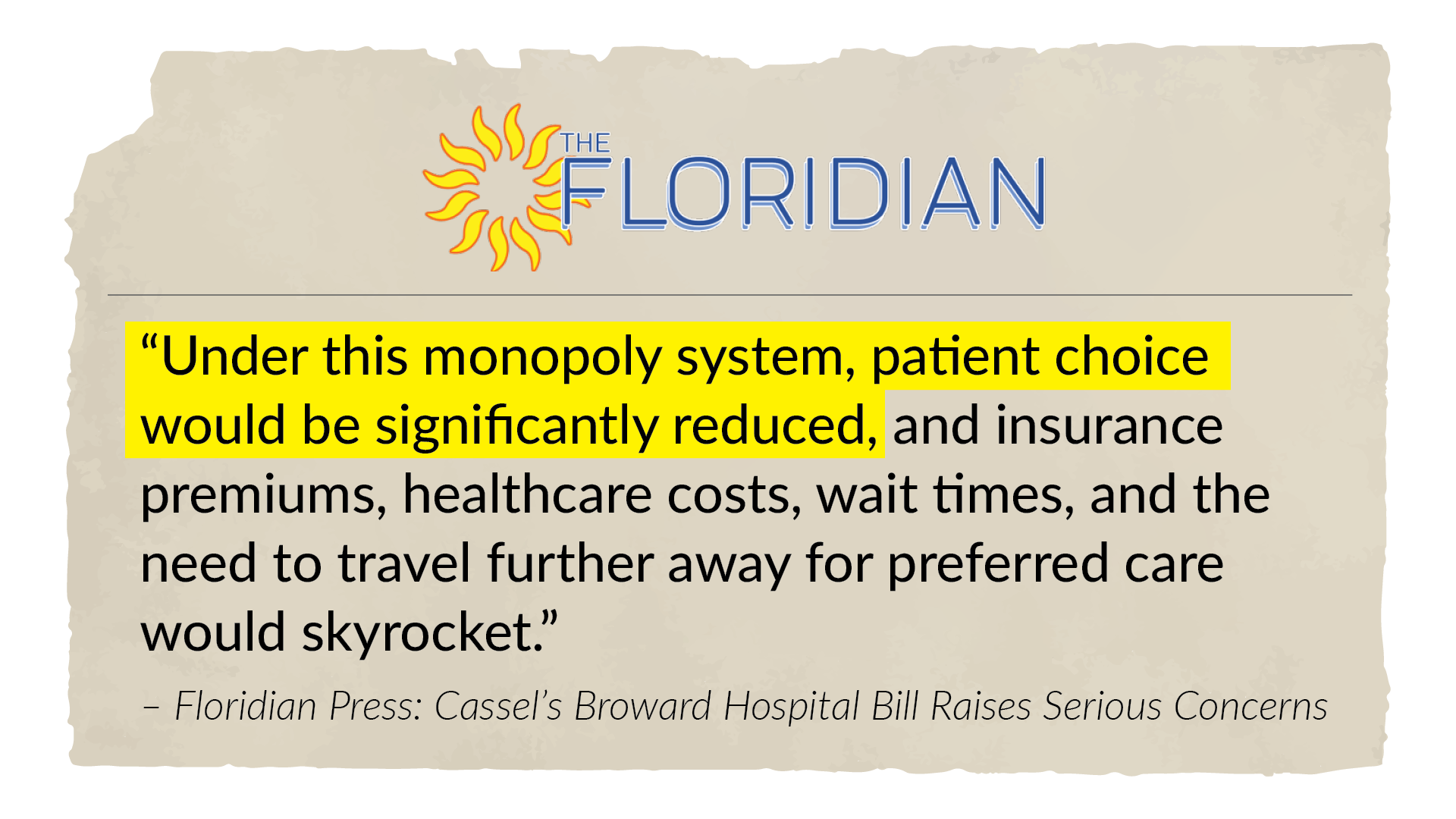
In practical terms, this could let publicly funded hospitals coordinate services, share operations, or effectively act as one large system across multiple counties. Critics worry this could reduce competition, limit patient choice, and remove important checks that exist to protect taxpayers and consumers.
These powers include the ability to levy advalorem taxes, issue bonds, exercise eminent domain, and operate hospitals for the benefit of the public, particularly the indigent.
HB1047 opens the door to multi-county, taxpayer supported health care systems operating under special-district authority, including for-profit ventures, while granting sweeping immunity from antitrust and other laws.
In Broward County, this bill would allow the North Broward Hospital District (Broward Health) and the South Broward Hospital District (Memorial Healthcare System), now under the same CEO, to merge and effectively operate as one system.
The North Broward Hospital District has a history of financial problems, including a recent bribery scandal. A merger could shift debts and financial risks onto South Broward taxpayers—without their approval—putting public money at risk.
Health care experts warn that when competition is reduced, prices often go up. This could lead to higher insurance premiums and higher medical bills for families, employers, and seniors across Broward County.
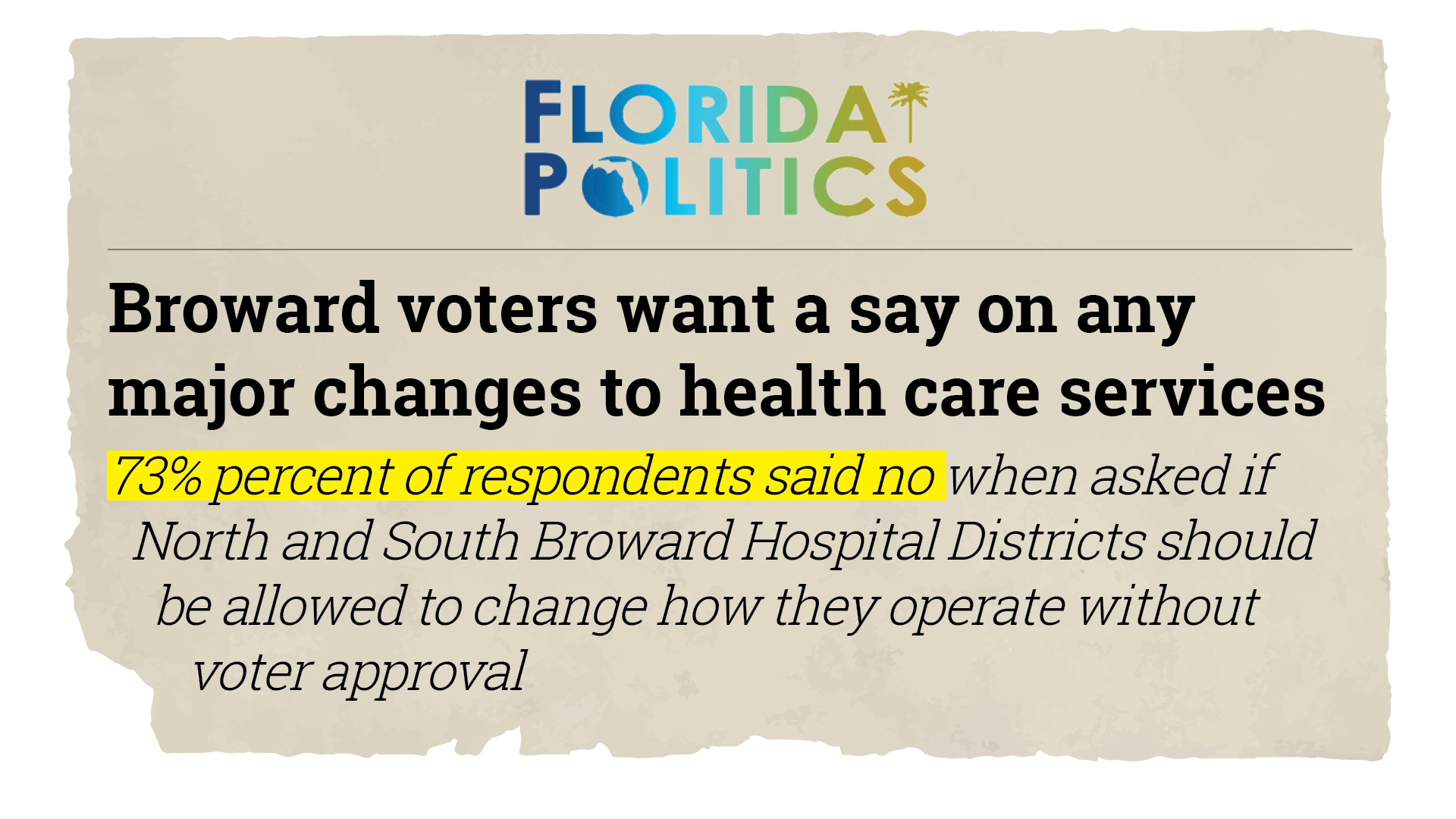
Even though these hospitals are paid for with local tax dollars, the bill allows them to merge and operate as one system without asking voters. Taxpayers should have a say when public assets and taxing power are being fundamentally changed.
This bill was introduced without public meetings, community discussion, or input from local residents, doctors, or civic leaders. Changes this big—affecting health care and billions of taxpayer dollars—should not be made quietly or behind closed doors.
The bill protects hospital districts from normal laws that prevent monopolies. That could mean: Fewer choices for patients, less competition, longer wait times, and fewer available specialists.
HB 1047 goes far beyond simple cooperation between hospitals. It gives taxpayer-funded hospital districts broad new powers that could reduce competition and limit patient choices. More importantly, it eliminates oversight and cuts voters out of major decisions.
Changes this big should not be rushed through Tallahassee without transparency, strong protections, and a vote by the people who pay the bills.